REIGN
Get Reign

For indie hackers / bootstrappers

Reign for indie hackers / bootstrappers. Bootstrapper community and build in public.

Make profiles the product: each founder lists what they are building and what they have shipped, a BuddyNext feed carries launches and build-in-public updates, private accountability groups give a quieter room, and Jetonomy holds the questions worth keeping. Invite deliberately for the first few hundred members. Reign gives the community a clean, no-nonsense look.

Indie hackers gather on large public forums, social feeds and Discord, where you do not own the member list and chat history is hard to search.

Reign + BuddyNext plus a paid tier for a focused bootstrapper community: weekly accountability threads, optional self-reported revenue fields and paid cohorts. BuddyNext installs free.

Private accountability groups and discussion spaces, free to install. You buy the Reign theme; BuddyNext and Jetonomy are ours and install free.

  • BuddyNext community engine
  • Jetonomy forums and q&a

Key takeaways for indie hackers / bootstrappers

  • Quality of discussion is set in the first six months and is hard to recover. Invite deliberately and remove self-promotion that adds nothing.
  • Keep the free tier open. A closed indie community stops attracting the people who make it interesting.
  • Revenue disclosure should be optional and self-reported. Verifying it is a full-time job.
  • BuddyNext and Jetonomy install free. See pricing for the flat Reign licence.

What it looks like on Reign

Screens from the live demos, with sample content. Open any of them and click around.

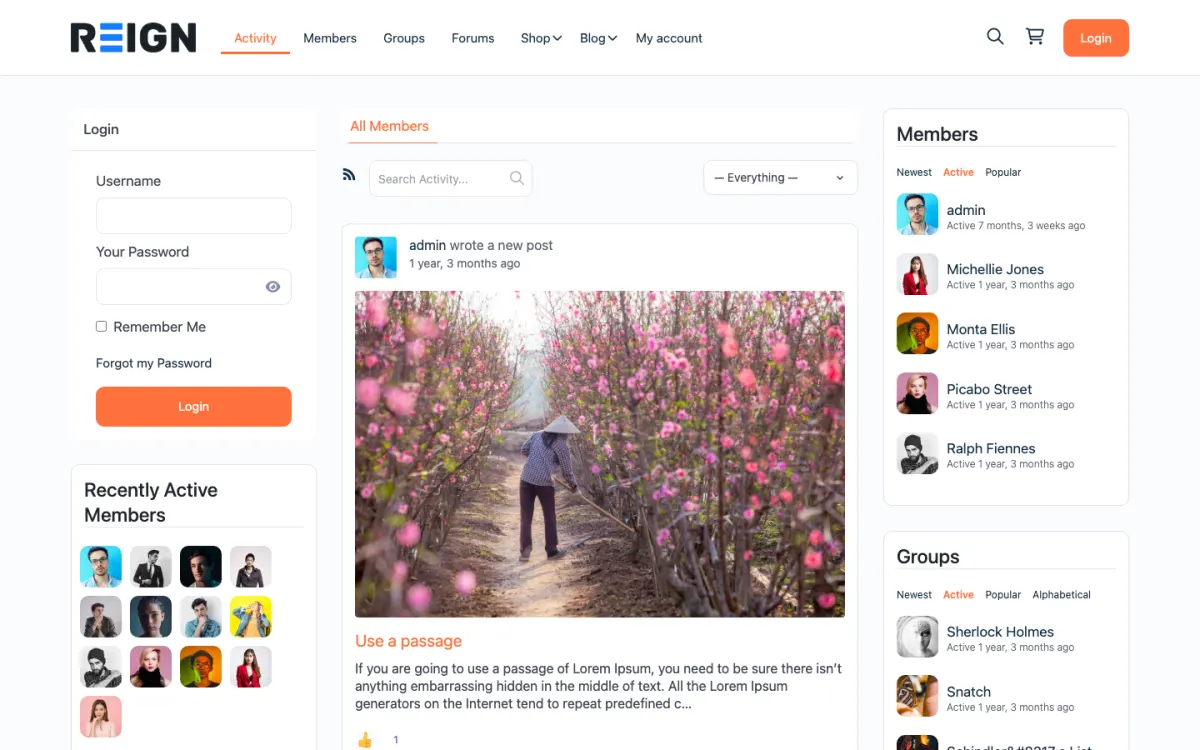
  • Reign BuddyPress demo home with login, activity feed, members and groups
    The home screen: sign-in, the activity feed and who is active, on one page. Open the demo
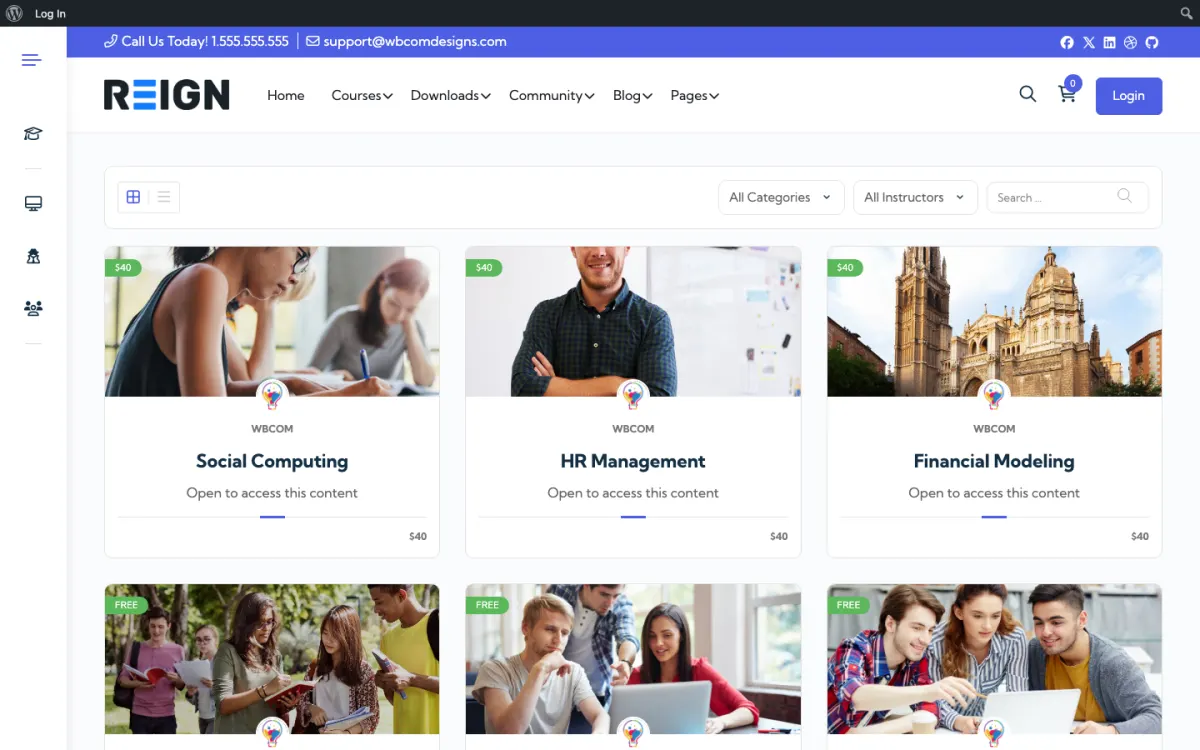
  • Reign LearnDash demo course catalog with category and instructor filters
    The course catalog, filtered by category and instructor. Open the demo
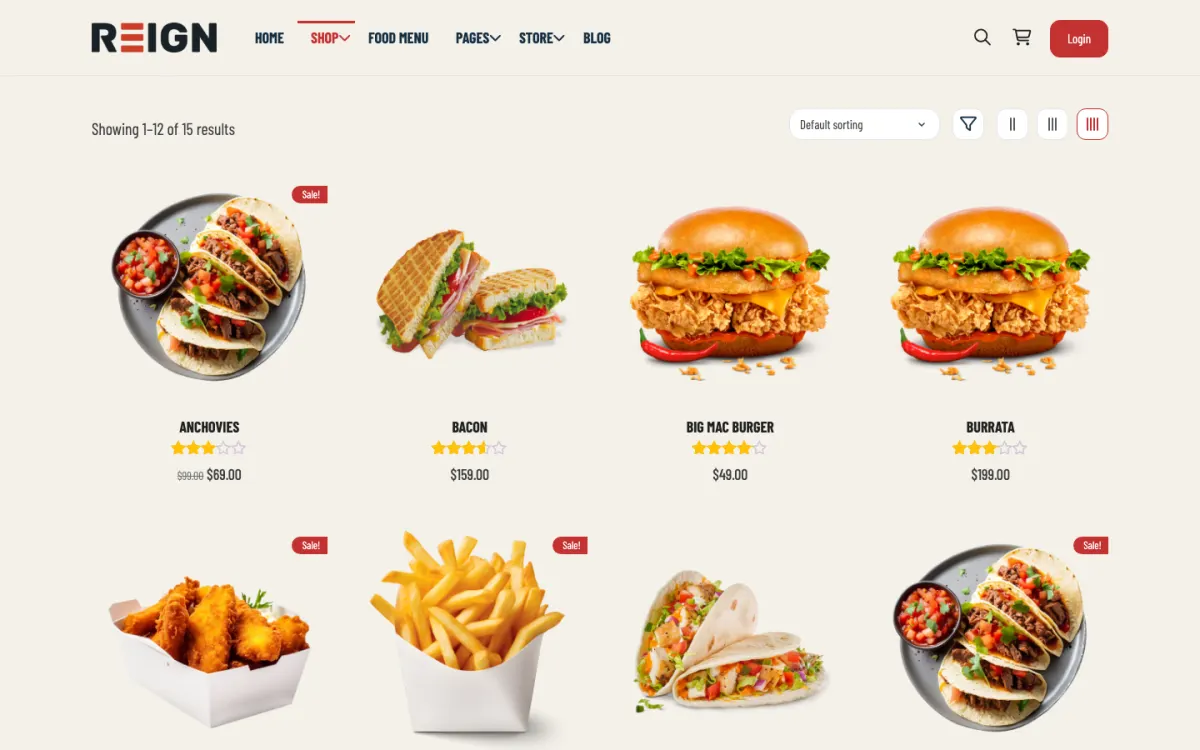
  • Reign Dokan marketplace shop grid with product ratings
    The shop: products from every seller in one grid, with ratings. Open the demo

Three highlights for indie hackers / bootstrappers.

  • 01

    Weekly check-ins in a private group.

  • 02

    Cohort-based programmes such as a product launch sprint, run in a private space.

  • 03

    A premium tier with founder office hours, using BuddyNext Pro paid plans.

What the site looks like on day one.

You launch with member profiles carrying projects and revenue, a discussion space, and a directory of what people are building. Profiles are the product here: an indie community works because you can see who somebody is and what they have shipped. Revenue transparency, if your culture supports it, becomes the thing that distinguishes you.

What a member actually does.

A founder joins, adds their project, and lurks before posting. The first post is usually a launch or a question about something specific. Members return for the discussion rather than the directory, and the ones who post monthly updates become the spine of the community. Over months the archive of build-in-public threads becomes genuinely valuable reading.

How this usually makes money.

Usually a supporter membership for a private tier, job board revenue, or sponsorship from tools targeting founders, which is a receptive audience for that. Some communities run paid cohorts or accountability groups. The free tier stays open, because a closed indie community stops attracting the people who make it interesting.

The mistake to avoid.

Opening the doors too wide too early. Quality of discussion is set in the first six months and is very hard to recover afterwards. Invite deliberately, remove self-promotion that adds nothing, and accept slower growth in exchange for a community worth joining.

Which Reign setup fits a bootstrapper community

Reign is the WordPress theme for building a complete community site: social network, courses, member directory, marketplace and job board on one install. A bootstrapper community uses the social network and the member directory.

BuddyNext supplies profiles with fields for project, stage and what they need help with, which are searchable, plus the feed, spaces and notifications. Spaces can be private for weekly check-ins. Jetonomy adds threaded discussions, Q and A and reputation. BuddyNext Pro adds paid plans and gated spaces, which is how you run a private tier next to the free community.

The BuddyPress Community Bundle kit is the packaged route and the membership site build guide covers a free and paid structure. The plugins page shows the split, and Reign is a flat theme licence.

Launch steps for a bootstrapper community

Small and curated beats open and loud. Launch with people you would be glad to talk to.

  1. 01

    Pick a narrow audience, such as SaaS founders only or no-code builders only, and write it on the front page.

  2. 02

    Install WordPress with Reign, BuddyNext and Jetonomy. The start page lists the order.

  3. 03

    Design the profile around the project: name, one-line pitch, stage and link. Add an optional field for self-reported revenue if the culture supports it.

  4. 04

    Create a launches space for self-promotion and keep everything else promotion-free. Write that rule on day one.

  5. 05

    Create a private space for a weekly accountability thread. Seed it with your own goals and results.

  6. 06

    Invite the first fifty members personally and ask each to introduce their project in the feed.

What founders do week to week

On Monday a member posts their goals for the week in the accountability thread. During the week they share a small win, a number or a stuck point, and others respond with experience. On Friday they report back, honestly.

Between those, they read the build-in-public threads, upvote useful answers in Q and A and add their own project updates. The members who post monthly updates become the spine of the community.

The organiser's week is moderation and curation: remove thin promotion, welcome new members by name, feature a project and close the loop on any question that has gone unanswered. Over months the archive of build-in-public threads becomes valuable reading in itself.

How a bootstrapper community grows

Growth comes from members who talk about the community elsewhere because it is useful, and from the archive that search engines find. A good thread about pricing or churn can bring in a steady stream of visitors.

Depth beats scale. A community for one kind of founder will out-engage a general one. Add recurring touchpoints such as weekly threads, monthly demos and a quarterly review, so the community has a rhythm.

Revenue usually comes from a supporter tier with private rooms or office hours, a job board and sponsorship from tools aimed at founders. Paid cohorts or accountability groups can sit on top. Keep the free tier open.

How to keep the signal high as a bootstrapper community grows

Every founder community starts with good conversation and risks drifting into noise. The drift is slow, and by the time you notice it the best members have quietly gone. Plan for it from the start with a few habits and a few rules.

First, make the founding members visible. Feature the people whose posts you want more of, pin their best threads and ask them to start new ones. Newcomers copy what they see, and if the top of the feed is thoughtful, the rest follows.

Second, keep self-promotion in one place. A launches space where founders may share what they have built is generous and healthy. Promotion scattered through every thread is the thing that makes people mute a community. Move stray promotion to the launches space with a friendly note rather than deleting it.

Third, use reputation. Jetonomy supports voting and reputation, so helpful answers rise and the people who give them gain standing. That quietly rewards the behaviour you want and makes moderation easier, since regular helpers can be trusted with more.

Finally, review the community once a quarter. Read the most active threads, ask five members what they would change, and remove one thing that is not working. Small, regular corrections keep a community healthy far better than a big reset after it has soured.

How to run the weekly accountability thread

The accountability thread is the heartbeat of a founder community, and it works only if the format is simple. A founder should be able to post in a minute and read everyone else's in five.

Use three prompts: what I shipped last week, what I am working on this week and where I am stuck. Keep the same prompts every week so people can post from habit. Pin the thread at the same time each Monday and close the previous week's.

Reply to every post, at least for the first months. A line of acknowledgement, a question or a link to a useful thread tells the founder that someone read it. Over time, invite regulars to take turns replying.

Notice silence. A founder who posted every week and has stopped may be in trouble, and a short, private message often brings them back.

Mistakes specific to bootstrapper communities

Opening the doors too wide too early is the main one. Quality of discussion is set in the first six months.

Becoming a promotion feed is the second. Founders will promote; confine it to one space so the rest stays worth reading.

Third, do not try to verify revenue claims. Frame them as self-reported and let the community's own scepticism do the work.

When a different setup fits better

If you run structured cohorts and mentors, see the startup founders page. If you charge for small facilitated groups, the mastermind groups page is closer.

If you are a single founder with an audience on social media and no need for a home base yet, start with an email list.

Indie hacker / bootstrapper-specific questions.

Why build my own founder community when large ones exist?

The large founder communities have scale and a broad audience. Your own is the better fit when you serve one kind of founder, such as SaaS only or no-code only, and want recurring touchpoints, your own rules and a member list you own.

Can members show revenue?

Through profile fields, if your culture wants it. Transparency drives engagement in this niche more than in almost any other, but make it optional; forcing disclosure filters out people who have good reasons not to and they are often the ones worth having.

How do I keep discussion high quality?

Small and moderated beats large and open, at least at the start. Invite deliberately for the first few hundred members and be willing to remove self-promotion that adds nothing. Quality is set in the first six months and is very hard to recover afterwards.

Should the community be paid?

A free tier with a paid layer usually works better than a paywall. The free discussion is what attracts new members; the paid tier is for accountability groups, direct access or a quieter room. Paywalling everything starves the top of the funnel.

Should I verify revenue claims?

No, and trying would be a full-time job. Frame the numbers as self-reported and let the community's own scepticism do the work. Communities that attempt verification end up arbitrating disputes instead of talking.

How do I stop it becoming a promotion feed?

A dedicated space for launches and firm moderation everywhere else. Founders will promote; the job is confining it to one place so the rest stays worth reading.

Buy the theme. Add the plugins free.

BuddyNext and Jetonomy cost nothing to install, and each has its own Pro plan for later. Running the third-party stack instead? The BuddyPress Community Bundle kit is the packaged route. Or have the Wbcom team set either one up for you.

One theme, the whole site

See what you can build with Reign, then try it.

Reign is the WordPress theme for building a complete community site: social network, courses, member directory, marketplace and job board on one install. Start with one, add the others when you need them, and keep one login for every member. Open a live demo, or launch a sandbox and get a fresh WordPress site to click through in about a minute.

Add more when you need it

Not sure which setup fits your site?

Tell us what you want members to do on your site. We will tell you which Reign setup, plugins and kit fit, before you buy anything.

What customers say on Trustpilot

Excellent Theme, Powerful Plugins and Outstanding Support

I am using the REIGN theme and several plugins from Wbcom Designs on my website. The theme is beautifully designed, and the plugins are user-friendly. Everything works smoothly, and the features are perfect for building professional websites and communities. What impressed me most is their…

S W MalcolmUS