

If you’ve been working hard on improving your website’s visibility, chances are you’ve come across the term Google E-E-A-T. But what does it really mean? And more importantly, how does it affect your SEO strategy? We’ll break it down in our blog today, we’ll go over what is it, how it works and impact your SEO.

What is Google E-E-A-T?
E-E-A-T stands for Experience, Expertise, Authoritativeness, and Trustworthiness. It’s part of Google’s Search Quality Evaluator Guidelines, which are used by human evaluators to assess the quality of web content.
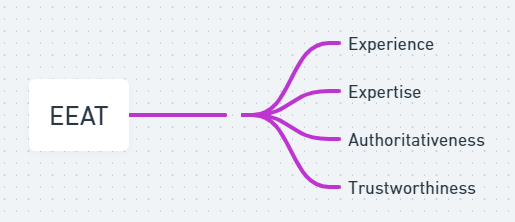
Let’s understand each part:
-
Experience: Has the content creator actually experienced the topic they’re writing about? For example, a travel blog post written by someone who has actually visited the destination carries more weight.
-
Expertise: Does the author have the knowledge or qualifications to talk about the topic? A certified nutritionist writing about healthy diets is a good example.
-
Authoritativeness: Is the website or the author recognized as a credible source in their field? If many people trust and reference your content, you’re seen as authoritative.
-
Trustworthiness: Is the content accurate, honest, and safe for users? Secure websites, clear privacy policies, and transparent information help build trust.
How E-E-A-T Works in SEO
Google uses E-E-A-T to determine how trustworthy and useful your content is. It doesn’t directly affect rankings like keywords or backlinks, but it influences how your content is perceived in search results.
Let’s say two websites are writing about the same topic, like “best skincare for dry skin.” One is run by a skincare expert with real client experience, has in-depth content backed by research, and is widely mentioned on beauty forums. The other is a basic blog post with generic tips and no author bio. Google is more likely to rank the first one higher, thanks to stronger E-E-A-T.
So, while E-E-A-T isn’t a ranking factor in itself, it shapes how the ranking factors are evaluated. Think of it as the context that helps Google decide who to trust and who deserves to be on top.
Why E-E-A-T Matters More Than Ever
With the rise of AI-generated content and misinformation online, Google wants to serve content that is accurate, reliable, and genuinely helpful. That’s where E-E-A-T comes in.
It’s especially important for “Your Money or Your Life” (YMYL) content - topics that can affect a person’s health, finances, or safety. For example, if you’re giving advice about medical treatments, insurance policies, or parenting tips, Google wants to ensure readers get the best and safest information.
If your content falls into these categories, then building E-E-A-T should be a top priority.
Google E-E-A-T in Action
Imagine you’re searching for reviews on a new electric car and come across two articles:
-
Article A is written by a car enthusiast who’s been reviewing electric vehicles for years, includes personal experiences, videos, and has a well-known YouTube channel.
-
Article B is a basic summary pulled from other sources, written by someone who doesn’t reveal their identity or background.
Which one would you trust more? If article A then Google probably agrees with you - it would likely rank Article A higher due to strong Experience and Authority.
How to Improve Your E-E-A-T
You don’t have to be a Ph.D. to rank well. But here’s what you can do:
Focus on creating high-quality content that reflects real-life knowledge and experience. Always cite your sources, and make your “About” page strong and transparent. Add author bios with credentials, show your expertise through case studies or client testimonials, and keep your site updated and secure.
If you run a blog, share your own stories and insights. If you manage a brand, highlight your team’s experience and share user-generated content. These small tweaks can make a big difference over time.
Score higher on SEO
Google E-E-A-T isn’t just a buzzword - it’s the backbone of how search engines decide which content deserves to be trusted and ranked. By focusing on real experience, expert writing, clear authority, and genuine trust, you not only improve your SEO but also build a stronger connection with your audience.
In my opinion, the best SEO strategy today is simply being real, helpful, and honest. The more value you offer, the better your content will perform - not just in rankings but in user engagement and loyalty.
So next time you’re creating content, think like Google. Ask yourself: Does this content show Experience, Expertise, Authority, and Trust? If the answer is yes, then you’re on the right path.

Interesting Reads
What’s the Best Way for Members to Contact Each Other Privately?