

Creating a positive employee experience is no longer optional; it’s the cornerstone of a successful, thriving organization. Happy employees are productive employees, and one of the best ways to enhance their experience is by using the right tools. Let’s dive into the 10 best employee experience software that can transform your workplace into a hub of satisfaction, engagement, and efficiency.

Why Employee Experience Software Matters
The Importance of Happy Employees
Employee satisfaction isn’t just a feel-good metric - it directly impacts productivity, retention, and innovation. When employees feel supported, valued, and engaged, they’re more likely to stay loyal to your company and perform at their best.
The Role of Software
Employee experience software provides tools to enhance every stage of the employee journey, from onboarding to offboarding. It offers solutions for communication, performance tracking, engagement surveys, and even well-being programs. With so many options available, let’s uncover the top tools in this space.
1. BambooHR
Streamline HR Processes
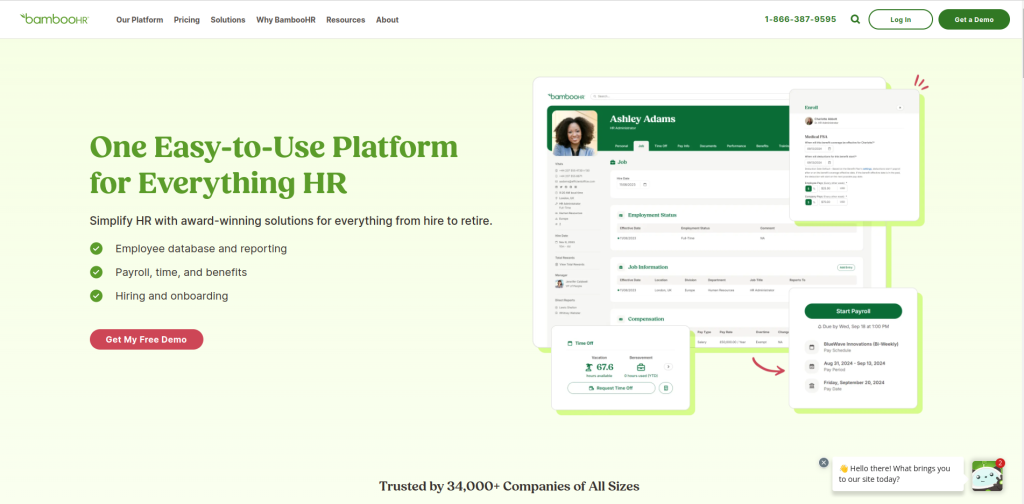
BambooHR is a comprehensive HR software that focuses on creating a seamless employee experience. Its intuitive design makes it easy for HR teams to manage employee data, track performance, and foster engagement.
Key Features
- Centralized employee records.
- Onboarding tools and performance management.
Pros
- User-friendly and customizable.
- Excellent onboarding workflows.
Cons
- Limited advanced analytics.
2. Qualtrics EmployeeXM
Data-Driven Employee Insights
Qualtrics EmployeeXM excels at gathering and analyzing feedback. It helps companies identify employee pain points and implement actionable improvements.
Key Features
- Real-time engagement analytics.
- AI-driven insights for better decision-making.
Pros
- In-depth reporting.
- Powerful integration options.
Cons
- Can be expensive for small businesses.
3. Workday HCM
A Holistic Approach to Employee Management
Workday HCM is a go-to platform for managing every aspect of the employee lifecycle. Its capabilities range from payroll to talent management, making it a robust option for enterprises.
Key Features
- Workforce analytics and planning.
- Personalized learning modules.
Pros
- Scalable and feature-rich.
- Excellent customer support.
Cons
- Complex setup process.
4. TINYpulse
Boost Engagement with Feedback
TINYpulse specializes in pulse surveys and real-time feedback, ensuring your employees’ voices are heard. It’s an excellent tool for improving workplace morale and collaboration.
Key Features
- Anonymous employee feedback.
- Recognition and reward system.
Pros
- Simple to use.
- Promotes open communication.
Cons
- Limited features beyond feedback.
5. Culture Amp
Elevate Employee Engagement
Culture Amp combines engagement surveys with powerful analytics to give businesses actionable insights. It focuses on improving workplace culture and overall employee satisfaction.
Key Features
- Customizable engagement surveys.
- Actionable insights for managers.
Pros
- Great for improving company culture.
- Intuitive reporting.
Cons
- Costly for small teams.
6. 15Five
Continuous Performance Management
15Five is all about keeping employees engaged through regular check-ins, feedback, and goal setting. It’s perfect for businesses aiming to build a growth-focused culture.
Key Features
- Weekly check-ins and goal tracking.
- Peer-to-peer feedback tools.
Pros
- Encourages transparency and alignment.
- Integrates with many popular tools.
Cons
- Limited customization options.
7. Slack
Foster Communication and Collaboration
While Slack isn’t specifically an employee experience tool, it’s a game-changer for workplace communication. By fostering a connected environment, it enhances the day-to-day experience of employees.
Key Features
- Real-time messaging and collaboration.
- Integrations with productivity apps.
Pros
- Easy to use.
- Boosts teamwork and collaboration.
Cons
- Notifications can get overwhelming.
8. Microsoft Viva
A Comprehensive Employee Experience Platform
Microsoft Viva integrates with Microsoft 365 to provide a one-stop solution for employee engagement, learning, and well-being. It’s an excellent choice for companies already using Microsoft products.
Key Features
- Employee well-being tools.
- Learning and development modules.
Pros
- Seamless integration with Microsoft tools.
- Scalable for large teams.
Cons
- Limited features for non-Microsoft users.
9. Zoho People
Affordable and Efficient
Zoho People is a cost-effective HR software that includes employee experience features like onboarding, attendance tracking, and performance management.
Key Features
- Time and attendance tracking.
- Employee self-service portal.
Pros
- Affordable for small businesses.
- Easy to implement.
Cons
- Fewer advanced features compared to competitors.
10. Kudos
Recognize and Reward Excellence
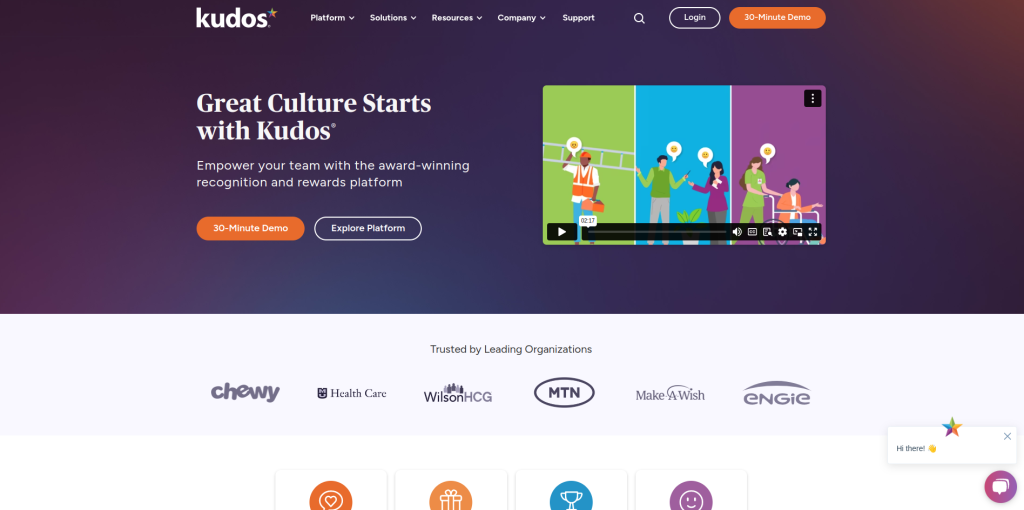
Kudos focuses on employee recognition, helping businesses create a culture of appreciation. It’s an excellent tool for boosting morale and fostering teamwork.
Key Features
- Peer-to-peer recognition.
- Customizable reward system.
Pros
- Encourages positive workplace culture.
- Simple and effective.
Cons
- Limited scalability for large organizations.
Comparison Table: 10 Best Employee Experience Software
| Software | Key Features | Pros | Cons |
| BambooHR | Centralized data, onboarding tools | User-friendly, customizable | Limited advanced analytics |
| Qualtrics EmployeeXM | Engagement analytics, AI insights | In-depth reporting, powerful integrations | Expensive for small businesses |
| Workday HCM | Workforce analytics, learning modules | Scalable, great support | Complex setup |
| TINYpulse | Anonymous feedback, recognition | Easy to use, open communication | Limited features |
| Culture Amp | Custom surveys, actionable insights | Improves culture, intuitive reporting | Costly for small teams |
| 15Five | Check-ins, goal tracking | Encourages transparency, integrations | Limited customization |
| Slack | Messaging, productivity integrations | Boosts collaboration, easy to use | Notification overload |
| Microsoft Viva | Well-being tools, learning modules | Great for Microsoft users, scalable | Limited for non-Microsoft environments |
| Zoho People | Attendance tracking, self-service portal | Affordable, simple | Fewer advanced features |
| Kudos | Peer recognition, rewards | Builds morale, easy to use | Not ideal for large teams |
How to Choose the Best Software for Your Team
When picking from the 10 best employee experience software, consider the following:
- Your Budget: Some tools offer free or affordable plans for small businesses, while others are more enterprise-focused.
- Integration Needs: Does the software work seamlessly with your existing tools and systems?
- Core Features: Prioritize what your team needs - feedback tools, recognition systems, or learning modules.

Closing Remarks: Invest in Your Team’s Happiness
Happy employees are the backbone of successful organizations. By using one of the 10 best employee experience software listed above, you’ll not only improve satisfaction but also boost productivity and retention. Evaluate your business needs, explore these tools, and watch your workplace transform into a hub of happiness and efficiency.
Interesting Reads:
10 Best Customer Tracking Software