

Education is one of the most powerful tools for shaping a new chapter after military service. Veterans, active-duty members, and their families have earned the right to access federal education benefits through the GI Bill, but understanding where and how to use those benefits can feel overwhelming. With thousands of schools and programs available, making the right choice requires careful research.
That’s where GI Bill Comparison Tools come into play. These online resources simplify the process of evaluating schools, comparing costs, and identifying which institutions truly support veterans. Whether you’re looking for a traditional four-year university, a vocational school, or an online degree program, these tools act as your compass.
In this blog, we’ll explore the top 10 GI Bill Comparison Tools in 2025, explain how they work, and highlight tips to maximize them. By the end, you’ll have the knowledge and resources to confidently chart your academic journey.

What Are GI Bill Comparison Tools?
Simply put, GI Bill Comparison Tools are digital platforms that help students, veterans, and military families understand how their GI Bill benefits apply at specific schools or training programs. Instead of manually calculating tuition, housing, and program eligibility, these tools provide tailored information at the click of a button.
Most platforms combine government databases, school-provided data, and veteran feedback. They reveal crucial details like tuition costs, housing stipends, accreditation, veteran graduation rates, and participation in special programs like the Yellow Ribbon Program.
In short, they save time, prevent mistakes, and ensure you get the most from your benefits.
Why Do Veterans Need These Tools?
Education decisions can be life-changing. Without guidance, many veterans risk enrolling in overpriced programs, lack accreditation, or fail to support long-term career goals. Some schools may even look attractive at first but provide little value in the job market.
By using GI Bill Comparison Tools, veterans gain:
- Transparency – A clear breakdown of tuition, fees, and housing allowances.
- Accountability – School ratings, graduation rates, and veteran complaint records.
- Empowerment – The ability to compare schools side by side, instead of relying solely on marketing.
- Confidence – Assurance that their GI Bill benefits are being used wisely.
Ultimately, these tools help veterans focus less on financial stress and more on academic and career success.
How GI Bill Comparison Tools Work
Most of these platforms operate similarly. You typically begin by entering information such as your military status, branch, years of service, and which GI Bill program you qualify for (Post-9/11, Montgomery, etc.). Then, you search for schools or programs.
The tools generate results that include:
- Estimated tuition and fees covered by the GI Bill.
- Monthly housing allowance.
- Availability of the Yellow Ribbon Program.
- Veteran support services.
- Outcome data like graduation rates and average salaries.
Some platforms go further by offering reviews from veterans, scholarship databases, and career-matching features.
Top 10 GI Bill Comparison Tools in 2025
Let’s break down the most reliable platforms available to students and veterans this year. Each tool has unique strengths, so using more than one is highly recommended.
1. VA’s Official GI Bill Comparison Tool
The Department of Veterans Affairs (VA) maintains the most authoritative tool for comparing schools. It draws directly from official benefit data and is updated frequently.

Key Features
- School and program search by name or location.
- Estimates for tuition, housing, and book stipends.
- Details about Yellow Ribbon Program participation.
- Graduation and complaint data from other veterans.
- Comprehensive coverage of vocational and non-traditional schools.
This is the most essential starting point for any veteran planning to use GI Bill benefits.
2. CollegeRecon
CollegeRecon is a private platform created exclusively for military members, veterans, and families. It combines school comparison with community-driven reviews.
Key Features
- Search filters for GI Bill eligibility.
- Veteran-specific scholarships and financial aid.
- Reviews from military students.
- Information about campus veteran resource centers.
- Partnerships with accredited universities.
CollegeRecon goes beyond numbers by also showing the social and cultural fit for veterans.
3. GIJobs.com School Match
GI Jobs is well-known for its “Military Friendly Schools” list. Its School Match tool connects veterans with institutions and employers.
Key Features
- Focus on career outcomes and job connections.
- Ability to search by program type or location.
- Employer partnerships for job placement after graduation.
- Ranking system for military-friendly schools.
For those thinking beyond college into careers, GI Jobs is invaluable.
4. MyMilitaryBenefits GI Bill Tool
MyMilitaryBenefits provides a user-friendly platform with updates on benefit policies and school comparisons.
Key Features
- GI Bill calculators for tuition and stipends.
- Military discounts and an additional benefits database.
- Guides on applying for the GI Bill.
- Resources for spouses and dependents.
It’s particularly helpful for families who share GI Bill benefits.
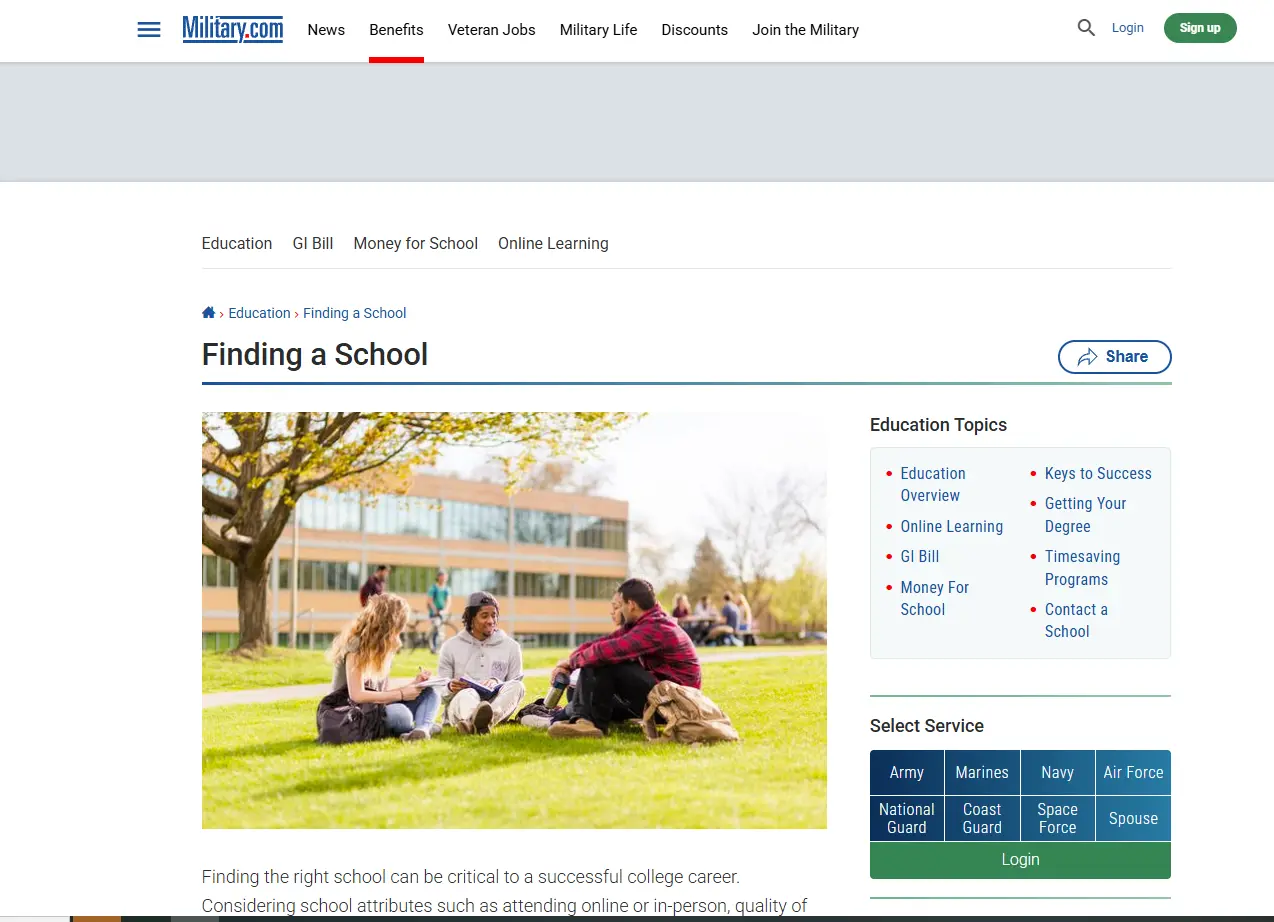
5. Military.com School Finder
Military.com is a veteran-focused hub with news, resources, and its own school finder.
Key Features
- Side-by-side school comparisons.
- Integration with military career planning.
- Articles on maximizing GI Bill benefits.
- Scholarship and financial aid listings.
Military.com is great for combining research with broader veteran news and career resources.
6. Peterson’s Military Guide
Peterson’s is famous for test prep but also offers a military education guide.
Key Features
- Listings of schools that accept GI Bill benefits.
- Guides for vocational training and certificate programs.
- Test prep resources for college admissions.
- Advice for military-to-civilian transitions.
Peterson’s is ideal for those balancing test prep and school selection.
7. Education Connection Military
Education Connection connects students with degree programs, including military and veteran options.
Key Features
- Free matching service for degree programs.
- Focus on online and flexible learning.
- Partnerships with accredited institutions.
- Veteran-specific program highlights.
This tool is particularly useful for veterans seeking online education.
8. Stateside Legal Education Resources
Stateside Legal provides free legal and educational guidance for veterans.
Key Features
- Resources for GI Bill eligibility disputes.
- School and benefit comparison guides.
- Legal support for education-related issues.
- Focus on low-income veterans and families.
It’s more niche but critical if you run into complex eligibility questions.
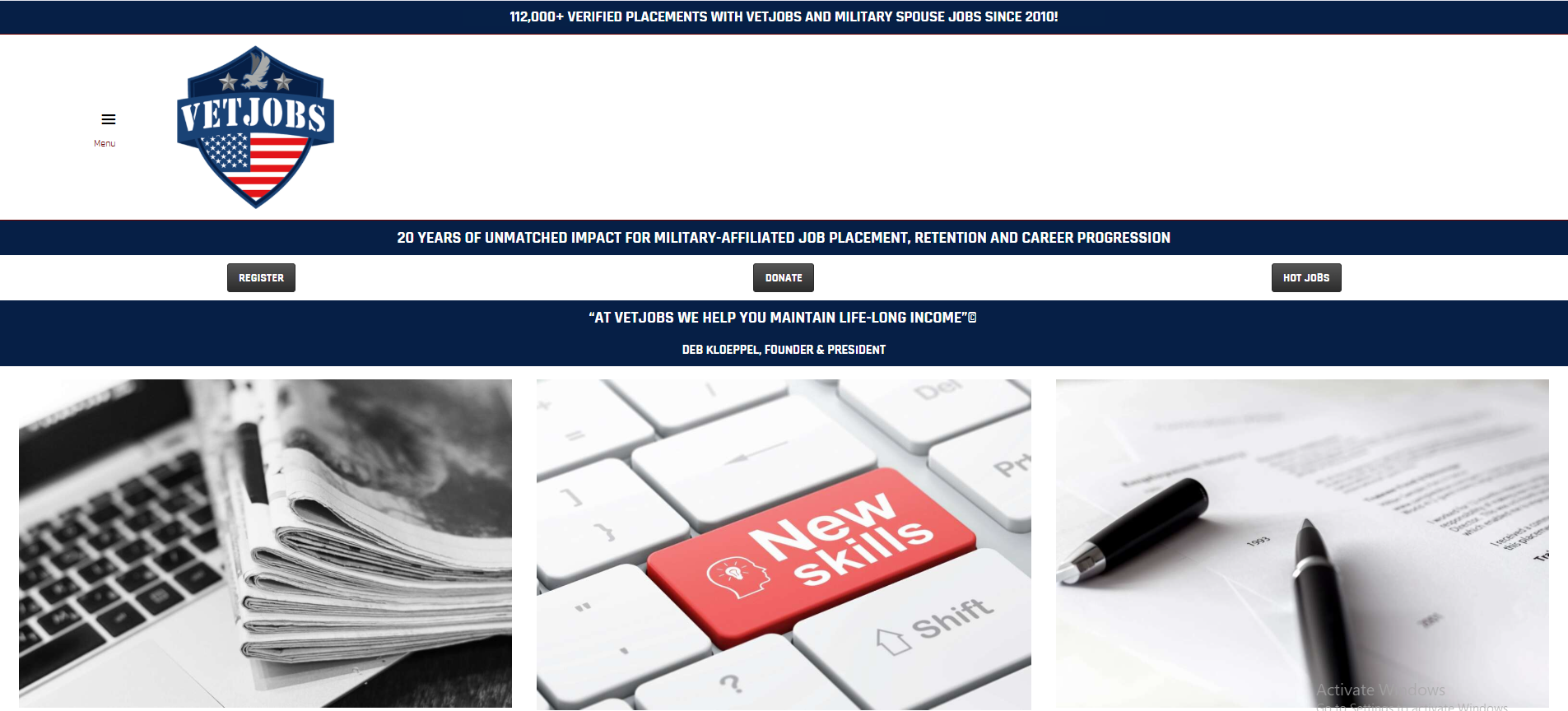
9. VetJobs Education Partner Portal
VetJobs links veterans to employment opportunities, but it also offers education guidance.
Key Features
- Partnerships with military-friendly schools.
- Job placement alongside education planning.
- Tools for aligning education with career pathways.
- Employer network integration.
This is the go-to platform if your priority is landing a job after school.
10. ScholarShare Military Benefits Search
ScholarShare isn’t as widely known, but it provides a scholarship-first approach to education planning.
Key Features
- An extensive database of scholarships for veterans.
- School search filtered by benefit eligibility.
- Tools for combining GI Bill and other aid.
- Financial planning resources.
This tool is perfect for veterans who want to minimize or eliminate out-of-pocket expenses.
Comparison Table: Top 10 GI Bill Comparison Tools in 2025
| Tool | Best For | Key Features | Unique Value |
|---|---|---|---|
| VA’s GI Bill Comparison Tool | Accuracy and completeness | Tuition, housing, Yellow Ribbon, outcomes | Official VA data |
| CollegeRecon | Community and support | Reviews, scholarships, veteran centers | Veteran-focused culture insights |
| GIJobs.com | Career planning | Employer connections, military-friendly rankings | Strong job focus |
| MyMilitaryBenefits | Families | Calculators, spouse/dependent resources | Easy for shared benefits |
| Military.com | All-around resource | Comparisons + career articles | Combines education with news |
| Peterson’s | Test prep & school | Listings + exam prep | Balanced academic support |
| Education Connection | Online programs | Program matching, flexibility | Ideal for distance learners |
| Stateside Legal | Complex cases | Legal + education support | Eligibility dispute guidance |
| VetJobs | Career alignment | Job + education match | Strong employer links |
| ScholarShare | Financial aid seekers | Scholarship database | Maximizes funding sources |
Step-by-Step: How to Use These Tools
Let’s take a closer look at three examples:
VA’s GI Bill Tool:
- Enter service details.
- Search for a school.
- Review cost breakdowns.
- Check Yellow Ribbon participation.
- Compare graduation outcomes.
CollegeRecon:
- Create a free profile.
- Enter GI Bill eligibility.
- Explore veteran reviews.
- Match scholarships.
- Connect with school advisors.
GIJobs.com:
- Search by degree or career.
- Filter by location.
- Review military-friendly rankings.
- Explore employer connections.
- Request information directly.
Tips to Maximize GI Bill Comparison Tools
To get the most out of these resources:
- Cross-reference multiple tools for accuracy.
- Review veteran feedback for cultural fit.
- Check housing allowances carefully—cost of living varies by location.
- Explore scholarships in addition to GI Bill coverage.
- Think long-term by considering career outcomes.
Common Mistakes to Avoid
- Relying on one tool only.
- Ignoring accreditation.
- Overlooking complaint data.
- Forgetting about housing costs.
- Choosing based solely on tuition without considering support services.
Avoiding these errors can save years of frustration.
Real-Life Success Stories
John’s Cybersecurity Journey – Used the VA tool to find a Yellow Ribbon school, saving thousands.
Maria’s Nursing Career – Relied on CollegeRecon reviews to pick a supportive program.
Eric’s Online Business Degree – Used GIJobs.com to find flexible programs with employer ties.
These stories prove that using multiple tools leads to better decisions and stronger outcomes.
Additional Resources Beyond Tools
- Veteran Service Organizations (VSOs) like the VFW.
- State veterans offices for tuition waivers.
- School financial aid offices for GI Bill coordination.
- Peer networks for on-the-ground advice.

Final Thoughts
Choosing the right school is about more than just location or cost—it’s about finding a place where you can thrive. GI Bill Comparison Tools empower veterans and their families to make informed, confident choices.
From the VA’s official tool to community-driven platforms like CollegeRecon and career-focused tools like GIJobs, there’s a solution for every need. By combining these tools, cross-checking data, and listening to fellow veterans, you’ll turn your hard-earned benefits into a brighter future.
Interesting Reads:
Top 10 Alternatives to Cobalt Tool for Development Teams
10 Best Free Active Directory Tools for IT Admins in 2025
Top 10 Noodle Tools Alternatives for Students and Researchers