


AI technology is transforming industries everywhere, and the audio editing field is no exception. Whether you’re a podcaster, sound engineer, or content creator, AI-powered audio editing tools can drastically improve your workflow, automate tedious tasks, and elevate your sound quality. In this blog post, we’ll explore the top 10 AI tools for audio editing, and discuss how they can help you deliver professional-grade audio effortlessly.

What to Look for in AI Audio Editing Tools
Before diving into the tools, it’s important to identify the key features that make an AI-powered audio editor stand out. Here are some critical factors to consider:
- Automation: Does the tool automatically handle tasks like noise reduction, volume normalization, or audio enhancement?
- Ease of Use: Can you use the tool without an in-depth background in sound engineering?
- Customizability: How much control does the tool give you over the editing process?
- Accuracy: Does the tool make precise cuts and adjustments without distorting or losing audio quality?
- Speed: Does it significantly speed up your workflow?
Now, let’s break down the top 10 AI audio editing tools that check all of these boxes.
1.Adobe Audition with AI-Powered Features
Adobe Audition is a professional audio workstation that integrates AI to offer features such as automatic noise reduction, spectral editing, and sound restoration. It’s designed for users who want to get into deep audio production but also enjoy the time-saving benefits of AI.
- Best Feature: AI noise reduction
- Use Case: Ideal for sound engineers, musicians, and content creators needing professional audio edits.
- Pros: Comprehensive audio editing features, high precision, great for complex projects.
- Cons: Steep learning curve, subscription-based pricing.
2.Descript
Descript is an innovative AI-powered tool that allows users to edit audio by editing text. Its AI can transcribe audio files and let you edit recordings simply by cutting out text. Descript’s “Overdub” feature allows for voice cloning, enabling users to correct errors in spoken content without re-recording.
- Best Feature: Text-based audio editing via transcription
- Use Case: Best for podcasters, YouTubers, and content creators focusing on speech-heavy content.
- Pros: Extremely user-friendly, fast, and great for voice correction.
- Cons: Limited multi-track editing features.
3.Auphonic
Auphonic is an AI-powered platform that focuses on improving audio quality for podcasts and videos. It offers automatic leveling, background noise reduction, and loudness normalization, making it perfect for users who want to enhance their sound without extensive manual work.
- Best Feature: Automatic leveling and noise reduction
- Use Case: Podcasters and interviewers needing quick audio touch-ups.
- Pros: Easy to use, quick, effective for basic audio enhancements.
- Cons: Lacks advanced editing tools.
4. iZotope RX 9

RX 9 by iZotope is considered one of the most advanced audio restoration tools on the market. It uses AI to repair damaged audio, remove background noise, and clean up recordings. RX 9 is particularly useful for professionals working on high-end audio projects like films, TV shows, and studio recordings.
- Best Feature: Advanced noise reduction and audio repair
- Use Case: Best for professional sound engineers and musicians.
- Pros: Powerful AI-driven restoration tools, wide array of features.
- Cons: Expensive, steep learning curve for beginners.
5. Cleanvoice

Cleanvoice is an AI-based audio editing tool specifically designed to remove filler words and repetitive speech patterns, making your recordings sound more polished. It also balances audio levels and removes background noise, which is perfect for podcast editing.
- Best Feature: Automatic filler word removal
- Use Case: Podcasters aiming for faster, cleaner speech edits.
- Pros: Great for quick edits, simple to use.
- Cons: Limited to speech-based audio, lacks advanced features.
6. Sonible Smart
3
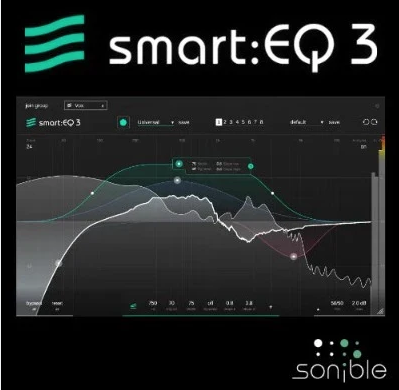
Sonible Smart
3 is an intelligent equalizer plugin that analyzes your audio files and adjusts frequencies automatically to improve the sound balance. It’s a great tool for those looking to enhance the tonal balance of their audio, whether it’s music or dialogue.
- Best Feature: Automatic frequency balancing
- Use Case: Perfect for musicians and content creators focusing on sound quality.
- Pros: Highly precise, excellent sound optimization.
- Cons: Limited to equalization, not a full editor.
7. LANDR

LANDR is an AI-powered tool that automates the mastering process for audio. It’s designed for musicians and sound engineers who want their tracks to sound polished and professional without needing to manually adjust each element.
- Best Feature: AI-driven audio mastering
- Use Case: Best for musicians and producers looking to automate the mastering phase.
- Pros: Easy to use, high-quality results, fast.
- Cons: Only focuses on mastering, not full audio editing.
8. Krisp

Krisp is an AI tool that focuses on noise cancellation. It’s particularly useful for remote workers, podcasters, and streamers who need to reduce background noise in real-time, ensuring crystal-clear audio for communication and recordings.
- Best Feature: Real-time noise cancellation
- Use Case: Ideal for streamers, podcasters, and remote workers.
- Pros: Extremely effective for live recordings, easy to integrate.
- Cons: Limited to noise cancellation, lacks other editing features.
9. AI Mastering
AI Mastering is a cloud-based audio mastering tool that uses AI to enhance the audio quality of your tracks automatically. It analyzes audio files and applies the appropriate adjustments to optimize loudness, balance, and clarity.
- Best Feature: Cloud-based audio mastering
- Use Case: Musicians and producers looking for a fast, efficient mastering solution.
- Pros: Quick results, no software installation needed.
- Cons: Only focuses on mastering, limited user control.
10. Podcastle
Podcastle is an all-in-one podcast creation platform powered by AI. It allows users to record, edit, and enhance their podcasts quickly. Podcastle offers features like text-based editing, noise cancellation, and automatic leveling, making it an ideal choice for both beginners and seasoned podcasters.
- Best Feature: AI-enhanced audio editing for podcasts
- Use Case: Best for podcasters who need a streamlined editing solution.
- Pros: Easy to use, built for podcasters, integrated recording tools.
- Cons: Lacks advanced multi-track editing options.
Comparison Table of Top 10 AI Audio Editing Tools
| Tool | Best Feature | Use Case | Pros | Cons |
|---|---|---|---|---|
| Adobe Audition | AI-powered noise reduction | Professional audio production | Comprehensive, deep features | Steep learning curve, subscription pricing |
| Descript | Text-based editing via transcription | Podcasters, YouTubers | Voice correction, user-friendly, fast | Limited multi-track editing |
| Auphonic | Automatic leveling & noise reduction | Podcasters, journalists | Simple, fast, great for enhancing spoken content | Lacks advanced features |
| iZotope RX 9 | Advanced audio restoration | Professional sound engineers | Powerful audio repair, excellent for detailed work | Expensive, complex for beginners |
| Cleanvoice | Filler word removal | Podcasters | Easy to use, quick speech clean-up | Limited to speech-based content |
| Sonible Smart EQ | Automatic frequency adjustment | Musicians, content creators | Highly accurate sound optimization | Limited to equalization |
| LANDR | AI-driven mastering | Musicians, sound engineers | Easy to use, polished results | Focuses only on mastering |
| Krisp | Real-time noise cancellation | Streamers, podcasters, remote workers | Effective live noise cancellation | Lacks comprehensive editing tools |
| AI Mastering | Cloud-based audio mastering | Musicians | Quick, no installation required | Mastering-only, limited control |
| Podcastle | All-in-one podcast platform | Podcasters | Simple, fast, perfect for spoken content | Limited advanced multi-track options |

Wrapping Up: Which AI Audio Editing Tool is Right for You?
Choosing the best AI tool for audio editing depends on your specific needs. If you need a full-featured audio workstation, Adobe Audition or iZotope RX 9 might be your best bet. For podcasters and content creators, Descript and Podcastle offer quick, intuitive solutions to streamline your process. For those who simply need to enhance the audio quality of their spoken content, tools like Auphonic and Cleanvoice provide an effortless way to achieve professional results.
Interesting Reads:
8 Free AI Background Removal Tools 2024