
When you first launch your business, it’s only natural to focus on your home base. You want to rank well locally, show up in Google’s local pack, and start attracting customers from your immediate area. But what happens when your local SEO in that core location is doing well? Simple—you grow. And that’s where building local SEO outside your core location comes into play.

Why You Shouldn’t Stop at One Location
Let’s say your business is based in Chicago. You’ve worked hard, and now you’re ranking on the first page of Google for keywords like “Chicago home remodeling” or “web design in downtown Chicago.” That’s great! But what about people searching from nearby suburbs like Naperville, Schaumburg, or Evanston?
If you’re not doing anything to show up in those areas, you’re missing out on a big chunk of potential business. Even if you don’t have a physical address in those cities, you can still show up in searches there—with the right strategy.
What Google Thinks About Location-Based SEO
Google’s local search algorithm does give preference to businesses that are physically located in the city someone is searching from. But that doesn’t mean you’re totally out of luck if you’re not based there. If you build trust, relevance, and proximity in smart ways, you can still appear in those searches.
This means your content needs to speak directly to those nearby cities. You need to show that you understand the area, have helped customers there before, or offer something that’s useful to people in that region.
When Is the Right Time to Expand?
Not sure if you’re ready? Here’s a quick test.
Are you already ranking in the top 3 of Google’s local map pack in your main city? Are you getting a steady stream of local reviews and traffic? If so, it’s time to start scaling.
Expanding makes even more sense if your business serves a larger region—like if you’re a real estate agent, wedding planner, cleaning service, or digital marketer. Mobile services or businesses near major cities often get inquiries from surrounding towns, so why not show up in those search results too?
Plus, getting into nearby markets before your competitors do gives you a real edge.
Build Dedicated Location Pages That Actually Help
One of the most effective ways to get noticed in new cities is by creating dedicated landing pages for each one.
But here’s the thing: Don’t just copy-paste the same content and switch out the city name. That’s called “thin content,” and Google isn’t a fan. Instead, create original, helpful pages for each location.
For example, instead of ten identical service pages with just the city name changed, write content that speaks to that specific area. If you’re a contractor, you could say something like, “We recently renovated a 1920s-style home in Evanston that needed new insulation and windows. Here’s how we helped…”
Mention local landmarks, include reviews from people in that area, and use photos from jobs you’ve done nearby. This tells Google (and your customers) that you’re not just throwing a page up for rankings—you actually serve that area.
Add Local Schema to Boost Visibility
You can also help search engines understand your target locations by using localBusiness or serviceAreaBusiness schema.
Even if you don’t have an address in a city, schema markup can tell Google that you serve that area. For example, a wedding photographer based in Dallas might add schema for Frisco, Arlington, and Plano to show where they’re available.
This little bit of code won’t be visible to customers, but it gives Google valuable information about your business and the places you serve. It can also increase your chances of getting rich results in search.
Get Local Backlinks and Mentions
Another great way to build authority in a new area is by getting backlinks and citations from that region.
Look for opportunities to sponsor local events, collaborate with nearby businesses, or guest post on community blogs. You could also get listed in city-specific directories or news articles.
Let’s say you’re a personal trainer based in Los Angeles. You might write a guest post for a blog in Pasadena about “5 Easy Home Workouts for Busy Moms in Pasadena.” That’s the kind of content that gets local links—and builds credibility.
Also, make sure your business is mentioned on local citation sites like Yelp, Angi, and even Apple Maps. These listings help build location signals and trust.
Create Locally-Focused Blog Content
Your blog is another powerful tool when building local SEO outside your core location.
Think about what people in nearby cities are searching for. Are there unique regulations? Seasonal changes? Local events? Write about those things!
For example, if you run a landscaping business, you could publish a post like, “What North Dallas Homeowners Should Know About Summer Lawn Care.” Or if you’re a tech consultant, you might write, “How We Helped a Plano Startup Launch a Scalable App.”
Mention local neighborhoods, reference local trends, and talk about your experience in the area. It all helps Google connect the dots.
Expand Your Google Business Profile Service Areas
Even though Google only allows verified addresses to appear in specific map packs, you can still expand your service areas in your Google Business Profile.
You won’t get a separate profile for each city unless you have a physical office, but you can list the areas you serve. This tells Google that your business is relevant to those locations and can improve your visibility in map-based searches.
Pair this strategy with well-written landing pages and backlinks, and you’ll start to see results even outside your base city.
Get Reviews From Clients in New Locations
Want to boost your credibility in another city? Ask your happy customers from that area to leave a review—and mention their city in it.
Something like, “We hired ABC Electricians for our home in Naperville, and they were amazing!” goes a long way. It sends location signals to Google and builds trust with other local searchers.
You can make this easier by creating a simple follow-up email that prompts people to review their experience. Wbcom Designs can help automate this process, so your reviews keep coming in on autopilot.
Use Tools to Track Your Progress
When you’re building SEO outside your core city, tracking your progress is key.
Tools like Local Falcon, BrightLocal, or GeoGrid can show you how your rankings look in different zip codes or neighborhoods. You’ll see which areas are improving and where you need to work harder.
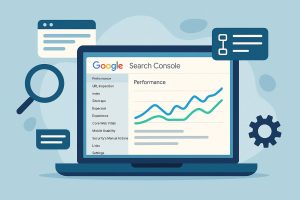
You should also keep an eye on how your landing pages are performing in Google Analytics and Search Console. Are you getting clicks from new cities? Are people spending time on your location pages? These metrics help you adjust your strategy.
Try tracking keyword variations too. For example:
-
“Web design in Scottsdale”
-
“Wedding planner near Anaheim”
-
“Dentist in Arlington TX”
Seeing movement on these keywords means your local reach is expanding.
Wbcom Designs Helps You Scale Smartly
If you’re feeling overwhelmed by everything we just talked about—don’t worry. You don’t have to do it all alone.
At Wbcom Designs, we specialize in building local SEO outside your core location. Whether you want to target nearby suburbs or expand into a new state, we can help you get there.
We create location-specific landing pages that rank. We build schema that helps you get found. Not only that, but we even help you manage reviews, backlinks, and citations—all from one place.
No matter what stage you’re in, we’ll create a custom SEO plan that helps you grow—city by city, neighborhood by neighborhood.
Ready to Reach More Local Customers?
It’s time to take your SEO beyond your main city and tap into new local markets. With the right content, smart structure, and ongoing optimization, your business can start showing up in more searches—even in cities where you don’t have a physical location.
Let Wbcom Designs be your partner in multi-location SEO success. We’ll help you build visibility, generate leads, and dominate your region—one local search at a time.
Contact Wbcom Designs today and start growing your business beyond your borders.

Interesting Reads
Key Metrics That Really Matter for Local SEO Success
How to Do Local SEO for Multiple Locations and Rank in Every City