

Having a local business without local SEO is like opening a store without a sign—people simply won’t know you’re there. But just showing up in search results isn’t enough. You need to know if your efforts are actually bringing in results. That’s where tracking the right key metrics for local SEO success comes in.
Too many businesses focus on the wrong numbers—like total page views or random keyword rankings—without understanding what actually drives local traffic, phone calls, direction requests, and sales. Whether you’re a neighborhood bakery, a law firm, or a home services provider, keeping an eye on the right data helps you grow smarter.
We’ll break down the key performance indicators (KPIs) that truly reflect your local SEO success. From Google Business Profile views to online reviews and local backlinks, we’ll show you what to track, why it matters, and how to use that information to attract more local customers.

Understanding What Moves the Needle in Rankings and Revenue
Local SEO is more than just updating your Google Business Profile or stuffing city names into your web pages. It’s about making your business easier to find, getting people to engage, and eventually turning those visitors into paying customers. And the best way to know if you’re on the right track? By tracking the right metrics.
Many local business owners fall into the trap of focusing on vanity metrics—numbers that look good but don’t really tell you if your SEO is working. Let’s talk about the real indicators that show whether your local SEO strategy is paying off and where you might need to adjust.
Google Business Profile Views: Your First Line of Visibility
Your Google Business Profile (GBP) often gives potential customers their very first look at your business. When your GBP shows up in Google Search or Maps and gets more views, it’s a good sign your local SEO efforts are starting to work.
For example, if a bakery in Austin starts seeing a spike in profile views, it likely means people are searching for things like “cupcakes near me” or “best bakery in Austin,” and finding them. Keep checking your GBP insights to see how people are discovering you—whether through branded searches (searching for your business name), direct searches, or discovery searches (looking for a type of service).
Local Search Rankings: Are You Showing Up Where It Counts?
Ranking high on Google—especially in the local map pack or the first few organic results—is crucial. Think about how you search for a plumber or coffee shop. If you’re not in the top results, your chances of being clicked on drop fast.
Use tools like BrightLocal or Local Falcon to track how your business ranks for location-based keywords like “plumber in Seattle” or “dentist near me.” And don’t forget to check both mobile and desktop searches—people often use different devices when searching locally.
Click-Through Rate (CTR): Are People Clicking on Your Listings?
Let’s say your business is ranking well, but no one’s clicking. That’s a red flag. Your CTR shows whether your page titles and descriptions are doing their job.
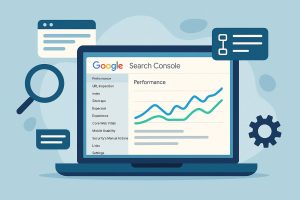
If your listing says “Affordable Dog Grooming in Dallas | Fluffy Friends Spa,” that’s more likely to grab attention than a generic title. Google Search Console shows you CTR by keyword and page, so use it to test different copy ideas that could make your listings more clickable.
Direction Requests and Phone Calls: Real-World Engagement
The goal of local SEO isn’t just traffic—it’s real action. You want people to call you, visit your store, or book your service. Google Business Profile provides insights on how many people clicked to call or asked for directions.
If you’re a hair salon and suddenly see fewer calls, check if your hours are up-to-date or if you’ve lost visibility in search. These small changes can make a big difference in whether people choose to reach out.
Online Reviews and Ratings: Your Local Reputation Matters
Reviews are a big deal. Not only do they help build trust with potential customers, but they also influence your local rankings. A steady stream of good reviews signals to Google that your business is active and trusted.
Let’s say a local coffee shop in Denver gets 10 new 5-star reviews in a week—that boost could help them outrank a competitor with fewer or older reviews. Don’t forget to respond to reviews too—it shows you care and improves engagement.
Local Organic Traffic: More Than Just Numbers
It’s not enough to be visible—you want people actually visiting your site from local searches. Local organic traffic is what you get when people search things like “vegan restaurants near downtown LA” and land on your site.
Use Google Analytics to see which city or neighborhood pages are getting traffic. If one location is underperforming, you might need more targeted content or better on-page SEO for that area.
Conversion Rate: Turning Visitors into Customers
Are people taking action once they land on your site? Whether it’s filling out a contact form or clicking a “Book Now” button, conversion rate tells you how effective your site is.
If your page for “HVAC Services in Phoenix” gets traffic but no leads, maybe your call-to-action isn’t strong enough or the content doesn’t feel trustworthy. You can boost conversions by adding testimonials, local trust badges, or improving page load speed.
Bounce Rate and Time on Site: Are People Engaged?
Bounce rate shows how many people leave your site without interacting, while time on site tells you how long they’re staying. If both numbers are bad, your page might not be what people expected.
A real estate agency targeting “apartments in Brooklyn” should have engaging content like neighborhood guides, high-quality photos, and maps to keep visitors interested. If people leave quickly, you might need to make your content more local and user-friendly.
Local Backlinks: Building Authority in Your Area
Getting backlinks from local websites—like news outlets, blogs, and directories—helps show Google that your business is connected to the community. These links are especially valuable for local SEO.
For example, if your landscaping business is featured in a local gardening blog or listed on the city’s small business directory, that can help improve your visibility in search results.
Indexed Pages: Are Your Location Pages Showing Up?
If you’ve created separate pages for different service areas—like “Pest Control in Tampa” or “Home Cleaning in San Diego”—you need to make sure Google is indexing them. Otherwise, they won’t appear in search results at all.
Check Google Search Console’s Coverage report. If some pages aren’t indexed, look into whether they’re marked “noindex,” have duplicate content, or have technical issues blocking them from showing up.
Discovery Searches: Getting Found Without Your Name
One of the best signs of local SEO success is when people find you without even knowing your business name. Discovery searches—like “emergency dentist near me” or “best Thai food in Gurgaon”—show that you’re ranking for service-based, high-intent queries.
If you’re seeing growth in these types of searches, it means your content is matching what people are looking for, not just relying on brand awareness.
Focus on What Actually Helps You Grow
When it comes to local SEO, what you measure matters. The right metrics give you insights into what’s working, what’s not, and where to make changes. Don’t get distracted by stats that just look good on paper. Instead, focus on numbers that show real engagement and business growth—like calls, visits, conversions, and local traffic.
At Wbcom Designs, we help local businesses grow smarter—not just faster. From optimizing your Google Business Profile based on key metrics for local SEO success to driving traffic that actually converts, we’ve got you covered. Ready to take your local SEO to the next level?

Interesting Reads
Local SEO and Traditional SEO: How They Work Together for Bigger Results